
Property Title Verification in Chennai: A Complete Legal Checklist Before Buying Property (2026 Guide)
25 July 2026 · Juris & Nova Chambers
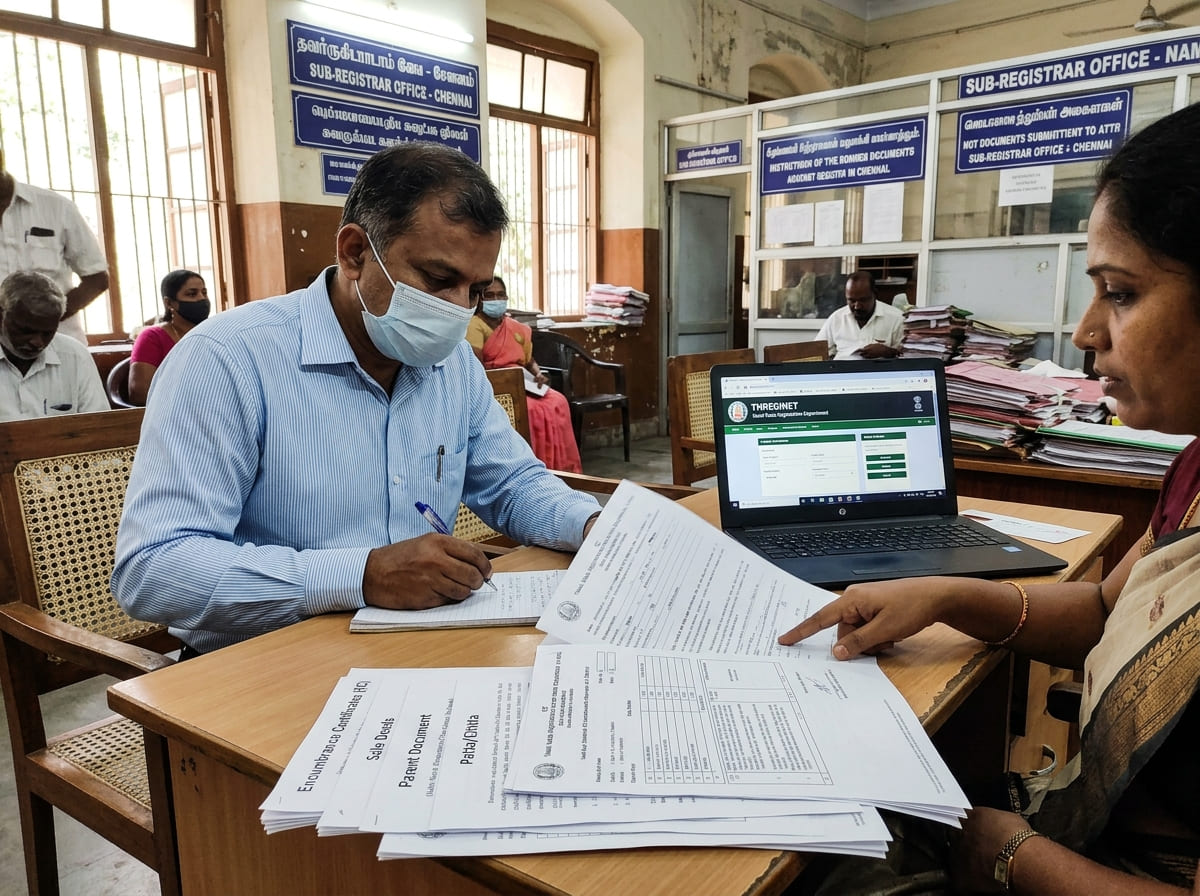
Property Title Verification in Chennai: A Complete Legal Checklist Before Buying Property (2026 Guide)
Buying a property is one of the biggest financial decisions most people make. Whether you are purchasing a residential apartment, an independent villa, a commercial building, or a vacant plot in Chennai, conducting a thorough property title verification is essential before signing any agreement or making payment.
Many property disputes arise because buyers fail to verify ownership, pending litigation, government approvals, or existing loans on the property. A simple legal verification before purchase can save years of litigation and significant financial loss.
This comprehensive guide explains everything you need to know about property title verification in Chennai, including the legal documents to examine, common frauds to avoid, and the importance of obtaining a professional legal opinion before completing a transaction.
What is Property Title Verification?
Property title verification is the legal process of examining whether the seller has a clear, marketable, and legally transferable ownership over the property.
The verification process involves reviewing property documents, ownership history, government records, encumbrances, approvals, tax records, and any pending legal disputes to ensure that the buyer acquires lawful ownership.
A clear property title means:
- The seller is the lawful owner.
- Ownership can be legally transferred.
- The property is free from legal disputes.
- There are no hidden liabilities.
- There are no undisclosed mortgages or charges.
Without proper title verification, buyers may unknowingly purchase disputed or illegally transferred properties.
Why Property Title Verification is Important
Purchasing a property without legal verification can expose buyers to serious legal and financial risks.
Some of the common risks include:
- Fake ownership documents
- Multiple sale transactions involving the same property
- Existing bank loans
- Court litigation
- Government acquisition
- Illegal constructions
- Forged Power of Attorney
- Missing approvals
- Family inheritance disputes
- Encroachments
Property verification protects your investment and provides peace of mind before completing the transaction.
Property Documents That Must Be Verified
A qualified property lawyer generally examines the following documents before issuing a legal opinion.
1. Sale Deed
The Sale Deed establishes ownership of the property.
The advocate verifies:
- Seller's ownership
- Registration details
- Property description
- Survey numbers
- Boundaries
- Chain of ownership
2. Parent Documents
Parent documents establish ownership history.
Generally, advocates verify ownership for the previous 30 years whenever possible.
This helps identify:
- Previous owners
- Family settlements
- Gift deeds
- Partition deeds
- Court decrees
- Settlement deeds
3. Encumbrance Certificate (EC)
The Encumbrance Certificate confirms whether any financial liabilities exist on the property.
It helps identify:
- Existing mortgage
- Loan charges
- Court attachments
- Sale transactions
- Gift transactions
- Lease registrations
A clean EC does not always guarantee a clear title but remains one of the most important documents during verification.
4. Patta
Patta establishes the revenue records maintained by the Government.
It helps verify:
- Survey number
- Owner's name
- Classification of land
- Extent of property
5. Chitta
For certain properties, Chitta records classify land as:
- Nanjai
- Punjai
These records assist in understanding land classification.
6. Field Measurement Book (FMB)
The FMB sketch provides the exact measurements and boundaries of the land.
It assists in identifying:
- Actual location
- Boundary limits
- Encroachments
- Survey accuracy
7. Property Tax Receipts
Recent tax receipts indicate that property taxes are being paid.
Advocates verify whether:
- Taxes are up to date.
- No significant arrears exist.
8. Building Plan Approval
For constructed buildings, approved building plans should be examined.
The lawyer verifies whether construction complies with applicable planning regulations.
9. Completion Certificate
Where applicable, the Completion Certificate confirms that construction has been completed in accordance with approved plans.
10. Occupancy Certificate
For many buildings, an Occupancy Certificate indicates that the local authority has permitted occupation after satisfying applicable requirements.
Understanding the Chain of Title
One of the most critical aspects of property verification is examining the chain of ownership.
The advocate traces ownership from previous owners to the present seller.
The objective is to ensure that ownership has passed legally without defects or gaps.
Any missing document may indicate a legal issue requiring further investigation.
Common Property Frauds in Chennai
Property fraud continues to be a concern in rapidly developing areas.
Some common frauds include:
Fake Sale Deeds
Fraudsters prepare forged documents to impersonate genuine owners.
Multiple Sales
The same property may be sold to more than one purchaser.
Fake Power of Attorney
An invalid or forged Power of Attorney is used to execute a sale.
Forged Legal Heir Certificates
Properties inherited through succession may be transferred using fabricated documents.
Hidden Mortgages
The property may already be pledged with a financial institution.
Litigation Suppression
Pending civil suits affecting the property may not be disclosed.
Government Land
Private individuals may falsely claim ownership over government land.
Layout Approval Issues
Unapproved layouts can create legal complications for buyers.
Proper legal due diligence helps minimise these risks.
Legal Due Diligence Process
A property lawyer typically follows a structured verification process.
Step 1
Collect all original documents.
Step 2
Verify ownership history.
Step 3
Review registration records.
Step 4
Examine Encumbrance Certificate.
Step 5
Verify revenue records.
Step 6
Check survey records.
Step 7
Review planning approvals.
Step 8
Verify tax payments.
Step 9
Search for pending litigation, where appropriate.
Step 10
Issue a written legal opinion.
Can You Buy Property Without Legal Verification?
Although there is no legal requirement that every purchaser obtain an advocate's legal opinion, doing so is strongly recommended.
Skipping legal verification may expose buyers to:
- Ownership disputes
- Financial losses
- Lengthy litigation
- Registration complications
- Bank loan issues
- Demolition risks in cases of unauthorised construction
The cost of legal verification is generally small compared to the value of the property and the potential risks avoided.
Buying Property with a Home Loan
Even if a bank approves a housing loan, buyers should not assume that the property is free from all legal risks.
Banks conduct their own due diligence for lending purposes, but purchasers should still seek independent legal advice to protect their interests.
Documents Buyers Should Request from the Seller
Before finalising the purchase, request copies of:
- Sale Deed
- Parent Documents
- Encumbrance Certificate
- Patta
- Chitta (where applicable)
- FMB Sketch
- Building Approval
- Completion Certificate (where applicable)
- Occupancy Certificate (where applicable)
- Property Tax Receipts
- Electricity Bill
- Water Tax Receipts
- Identity Proof of Seller
Red Flags Every Buyer Should Watch For
Avoid proceeding without proper investigation if you notice:
- Unusually low sale price
- Seller reluctant to provide original documents
- Missing ownership records
- Ongoing family disputes
- Court notices
- Unregistered transactions
- Incorrect survey numbers
- Mismatch in property boundaries
- Recent ownership changes without explanation
- Pressure to complete the transaction quickly
Why Hire a Property Lawyer in Chennai?
An experienced property lawyer can:
- Examine title documents
- Verify ownership history
- Identify legal defects
- Review government approvals
- Check for pending disputes
- Draft or review agreements
- Assist with registration
- Help prevent future litigation
Professional legal advice before purchase is often far less costly than resolving disputes after the transaction.
Frequently Asked Questions
How many years of property documents should be verified?
As a general practice, advocates often examine the chain of title for around 30 years, subject to the availability of records and the nature of the property.
Is an Encumbrance Certificate enough?
No. An Encumbrance Certificate is important but should be reviewed alongside other title documents, revenue records, approvals, and ownership history.
Can a bank loan guarantee a clear property title?
Not necessarily. Bank due diligence is conducted primarily for lending purposes. Independent legal verification remains advisable.
Is Patta mandatory?
Patta is an important revenue record for many properties in Tamil Nadu and should be verified where applicable.
How long does property verification take?
The timeline depends on the complexity of the transaction and document availability. Straightforward cases may be completed within a few days, while more complex matters can take longer.
Should I verify inherited property?
Yes. Additional care is required for inherited property to verify succession documents, legal heirship, wills, settlements, or partition deeds.
Can I verify documents online?
Some land records and registration-related information may be available online through government portals, but a comprehensive legal opinion requires examination of all relevant documents and facts.
Final Thoughts
Purchasing property is a significant investment, and ensuring that the title is legally sound is one of the most important steps before completing the transaction. Proper title verification helps identify ownership issues, encumbrances, missing approvals, and other legal risks that could affect your rights in the future.
Whether you are buying a flat, villa, commercial building, or vacant land in Chennai, obtaining a thorough legal review of the property's documents can help you make an informed decision and minimise the possibility of future disputes.
Need Professional Property Title Verification in Chennai?
If you are planning to purchase property in Chennai or anywhere in Tamil Nadu, obtaining a professional legal opinion before signing the sale agreement can help safeguard your investment.
Juris And Nova Chambers assists clients with:
- Property Title Verification
- Legal Due Diligence
- Sale Agreement Review
- Property Documentation
- Registration Assistance
- Real Estate Legal Advisory
- Property Dispute Resolution
Contact our team to schedule a consultation and ensure your property transaction is legally secure before you invest.